
CPA Experts Fort Worth Alternative CPA Fort Worth for books and payroll
We keep the books current, set payroll up on your provider, and build the return from months that already closed.
Owners already use Entrepreneur's CFO for the Tax CFO work Steven Palmieri does on an open year.

Ask about the books
You will be talking to the Steven Palmieri practice.

We close each month while the year is open.
Steven Palmieri, a Tax CFO, reads the new hire and the late month while both are still happening, so spring confirms a return that was already built.

Hanging files in a drawer
A year closed on purpose is a short stack. A year that waited for spring is a pile.
Click to see the stack ›Tap to see the stack ›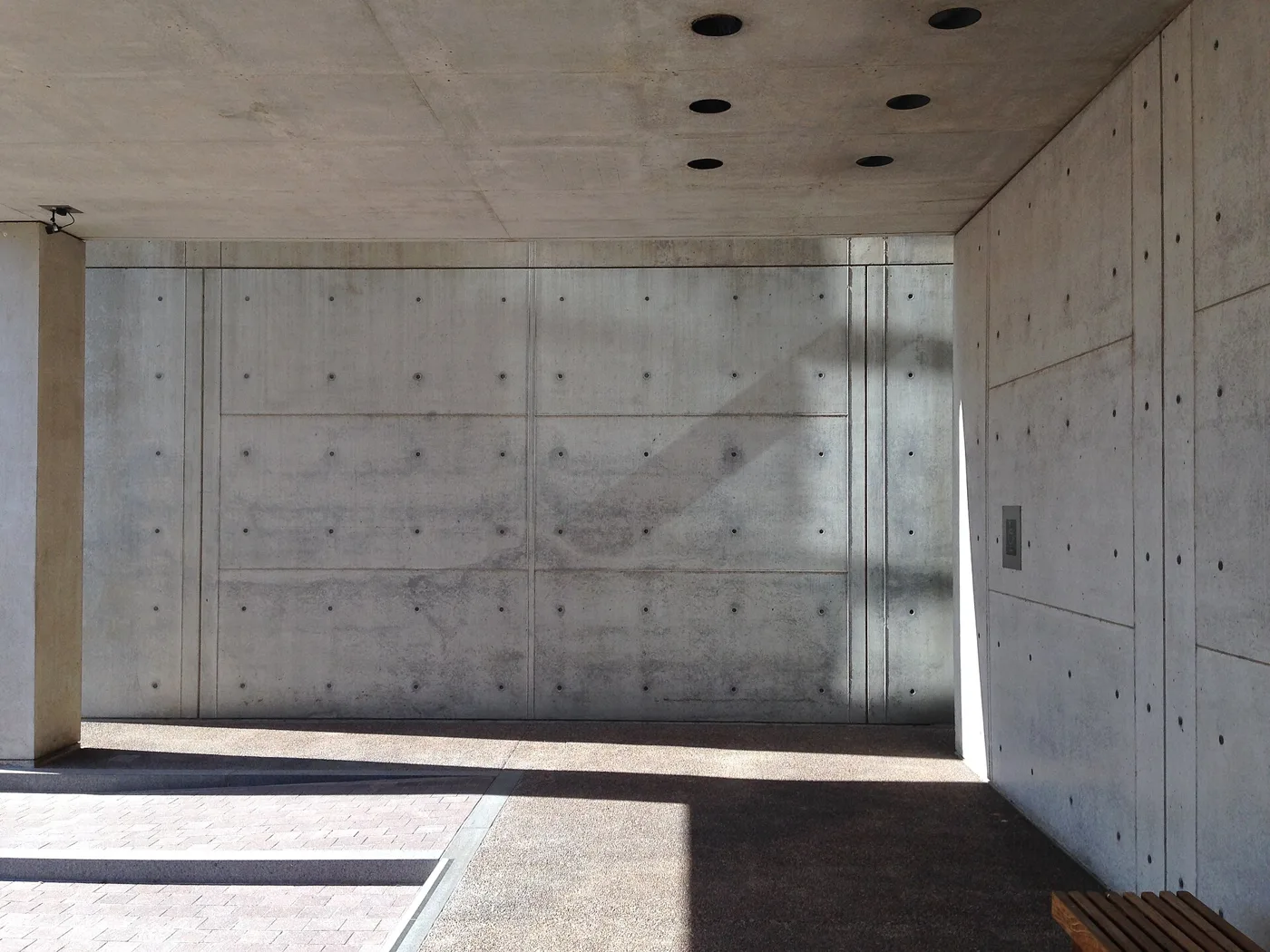
The quiet court
The concrete court at the Kimbell stays quiet because someone pays to keep those rooms. We want that same number for your rooms, written down each month.
Click to see the close ›Tap to see the close ›
The date that does not move
Sales tax is due on the twentieth whether the crew is in the field or not.
Click to see the date ›Tap to see the date ›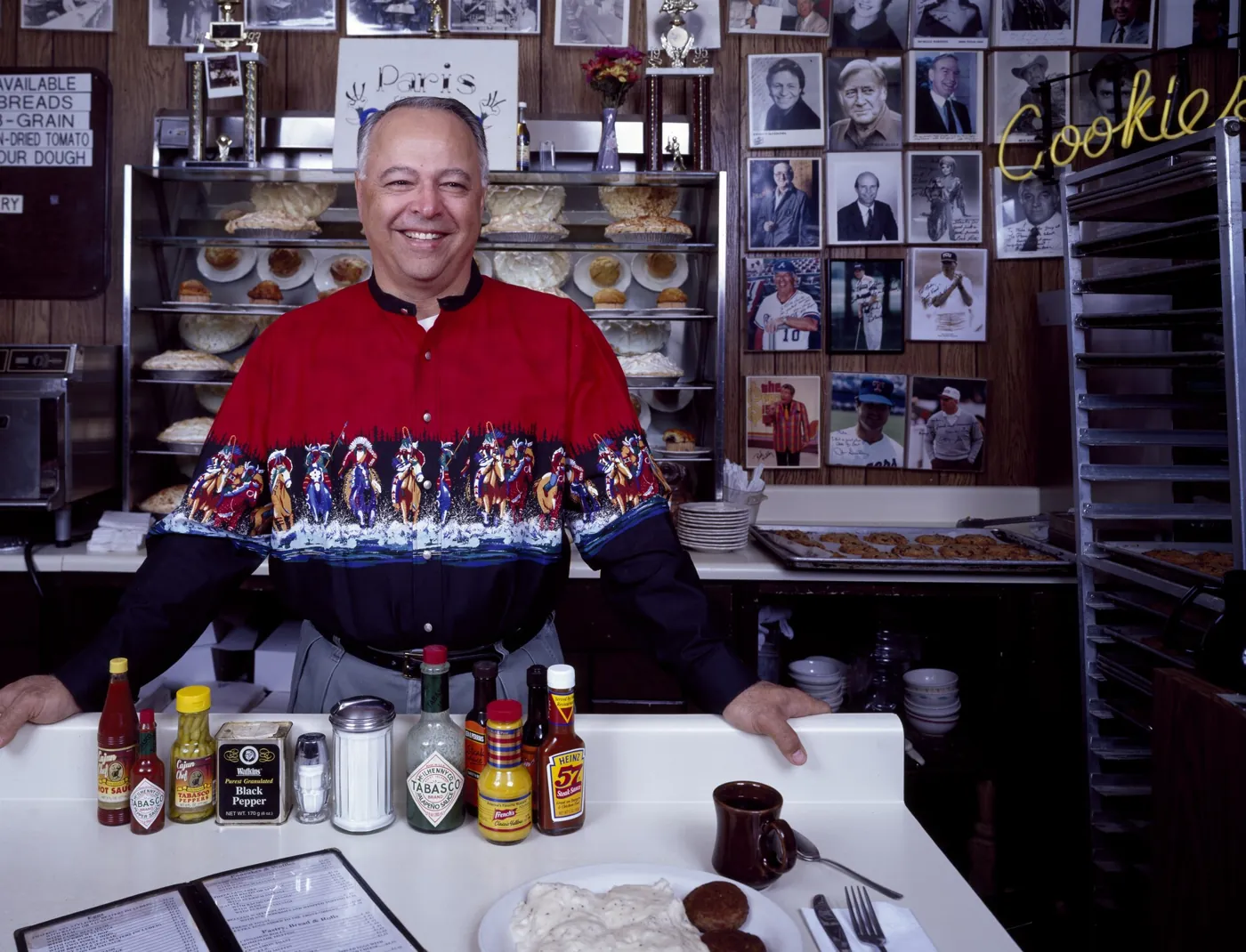
Breakfast since 1926
Breakfast has poured at Paris Coffee Shop since Vic Paris opened the doors in 1926. A spring visit that never grew with the crew is the continuity we would rather retire.
Click to see limits ›Tap to see limits ›
The second truck
A second truck brings a loan, a log, and often a wage. The month it arrives is the month one spring visit gets too small.
Click to see payroll ›Tap to see payroll ›
Questions you already have
The old visit did its job. The year got larger. Ask either sentence.
Click to see questions ›Tap to see questions ›Six moments in a year that grew
Open one card.
1The sales tax 20th
We keep that month on purpose
The grounds fill while the sales tax still comes due on the 20th, and both belong in the same close.
2April rendition
We read the rendition beside the books
The rendition date does not wait for a spring appointment that never grew with the crew.
3A May report after the year
We want May to confirm months already closed
A May filing should read like a summary of work already done, not the first look at the year.
4July questions
We answer them in the month they appear
A July question about a truck bought in June cannot sit in a folder until next spring.
5October while choices remain
We use October while the year is open
Estimates, a retirement look, and the shape of wages can still change in October.
6A second truck and payroll setup
Payroll setup stays with a provider you operate
The second truck often arrives with more wages, and setup is the work, not running payday.

Steven Palmieri on the open year
One person stays through December, on the books and on the return together.
The Entrepreneur's CFO name belongs to Steven Palmieri, who does the Tax CFO work while payroll, the close, and the return are still one job.
The monthly rhythm is the one you already run, and we stay on it with you through the open year.
Read the rest of the year
The month gets tied to the bank, payroll lands on the provider you run, and the statements are ones you can read. We write those statements so you can hand them to someone, and we name the return while the year can still change.
Growth and the old visit can both be true. A longer payroll, a job that runs past the old season, a second truck on the lot. None of that makes the prior preparer a villain. It means the arrangement now has a year in it, and the year deserves a person before spring.
What you get here is ordinary and specific. Each month the book and the bank say the same number. Payroll setup lands on a provider you already operate, or on one we help you pick, and you keep running payday. A monthly close. Statements you can read. The return built from those months. Decisions in October, while the year is still open, instead of a surprise in a May envelope.
A good month feels ordinary. The bank and the book say the same thing, the sales-tax set-aside is already sitting there before the 20th arrives, and contractor forms wait on W-9s collected before anyone was paid, rather than scrambled in January. Fixed assets have a list. Nothing huge is hiding in a leftover expense line that changes its name every year.
When a truck is on the books as all business, the miles still have to be real. If the use was mixed, the percentage follows the log, and a later sale follows that same percentage. We would rather fix the percentage in the year it happened than explain it after the truck is gone.
People paid like contractors who work like employees need a classification look before the forms go out. We ask how the work is actually done, and we write down what we see. If wages belong, we set the payroll up. We do not run the payday. The provider you operate does that.
A profitable one-owner shop sometimes earns a written look at an S corporation election, and sometimes the honest answer is that the election can wait. A year with strong self-employment profit and no retirement plan deserves a look at a SEP or a solo plan while October can still fund it. We say what we see. We do not invent a result.
Matching each account to the outside record is the dull work that makes spring feel unsurprising, in the good sense. Each account keeps a name the return can use. Each month actually ends. When a month will not end, we say so and we stop stacking anything on top of it.
On a mild evening the blocks at Sundance Square fill with the people who live around them. We are in that crowd. The next morning we still want to know which drawer was matched to the bank before the lights went up.
The Tarrant Appraisal District still wants the business personal property list on 15 April. If the second truck is missing from that list, April is the first time the county hears about it.
Bring access, the last close, and the question you can already say out loud. We will tell you whether the next step is a monthly close, a cleanup of the open months, or a referral when the signature you need is one we do not hold.
The signature we do not put on paper.
An audit cover, a review cover, a compilation cover, and any other assurance report need a license this practice does not hold.
If a lender asked for that cover, you hear the no before any proposal, and the next step is the public register. Payday stays on a provider you operate. An examination of the return stays with whoever holds that job, which is not us.
The capitol statute pages for Texas Occupations Code sections 901.451, 901.453, and 901.456 are why an assurance cover stays with a license holder. What leaves this practice is the prepared return, the advice, and statements that attach no opinion. A crew that outgrew one April still needs those three jobs named in ordinary words before spring.
People allowed to sign those covers are listed on the state board site. Those three section numbers are public on the capitol pages, and they are why the cover stays with a license holder rather than with this practice.

Ask about the return
A race weekend packs the grounds at Texas Motor Speedway. The sales-tax money for that weekend is already set aside, because the twentieth arrives whether the stands are full.
You will be talking to the Steven Palmieri practice.